
Travel eSIM vs Roaming vs Local SIM: Which Is Cheapest?
Wakavi Travel Team · Updated 6 Nov 2026 · 3 min read
There are three ways to get mobile data abroad. Each one is the right answer for somebody. Here's an honest comparison, including where a travel eSIM isn't the best pick.
There are three ways to get mobile data abroad. Each one is the right answer for somebody. Here's an honest comparison, including where a travel eSIM isn't the best pick.
Option 1: Roaming on your home plan
You do nothing. Your phone connects abroad and your carrier bills you.
Good: Zero setup. Your number works for everything.
Bad: Usually the most expensive option by far. Many carriers sell a daily roaming pass, and a week of daily passes can cost more than a whole month of travel eSIM data. Without a pass, pay-as-you-go roaming can get very expensive very fast.
When it makes sense: Your plan already includes free roaming where you're going. For example, people with an EU plan travelling inside the EU can usually roam at home prices, within fair use limits. Some carriers also include certain countries for free. Check your plan before you buy anything.
Option 2: Buying a local SIM card
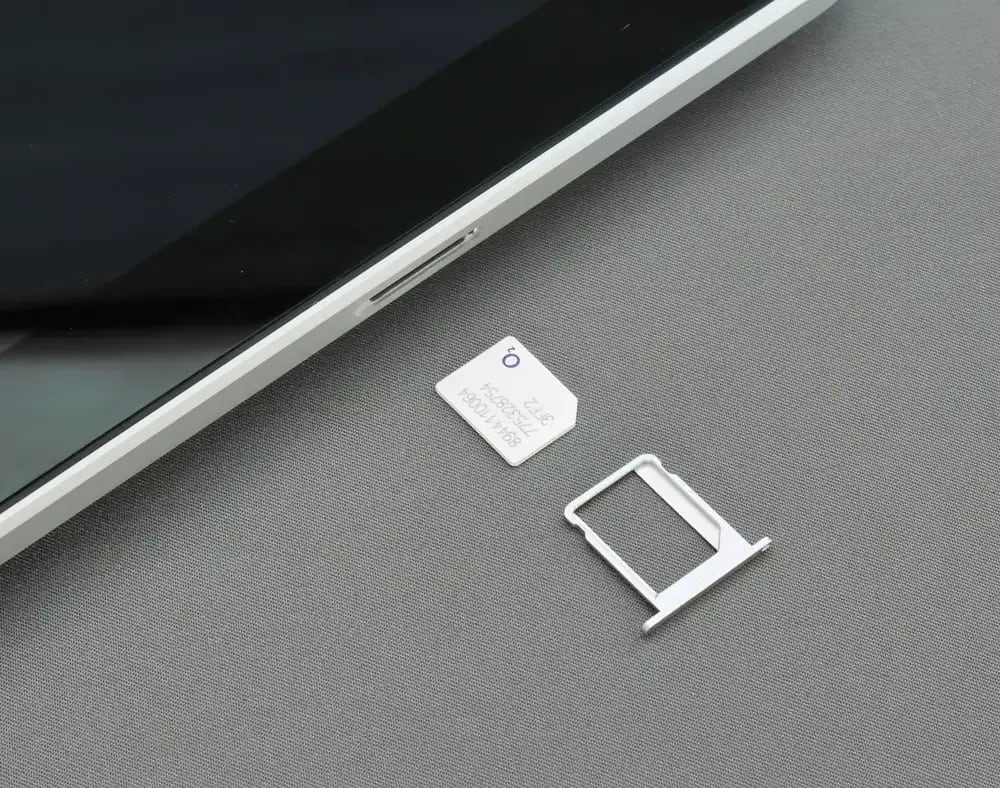
You land, find a shop, show your passport, buy a SIM, swap it in.
Good: Can be cheap, sometimes the cheapest per GB. You often get a local number too, which helps if you need to call restaurants or taxis.
Bad: You need to find a shop after a long flight, often with a queue and a language barrier. Airport kiosks usually charge tourist prices. Many countries require ID registration. You have to remove your home SIM and keep it somewhere safe, which means no texts from your bank while it's out.
When it makes sense: Long stays (a month or more) in one country, or when you really need a local number.
Option 3: A travel eSIM
You buy online, install it at home, and switch it on when you land.
Good: Connected the moment you land, no shop, no queue. Your home SIM stays in the phone, so you keep your number and your WhatsApp. Usually far cheaper than roaming. On Wakavi, 10 GB for 30 days is $4.59 in Turkey and $6.09 in the UK right now.
Bad: Your phone has to support eSIM and be unlocked. Most travel eSIMs, including ours, are data only, so there's no local number for normal calls. In a few countries a local SIM can still work out cheaper per GB if you're staying a long time.
When it makes sense: Most trips under a month, multi-country trips, and anyone who doesn't want to deal with SIM shops.
Side by side
| Roaming | Local SIM | Travel eSIM | |
|---|---|---|---|
| Setup | None | Shop visit, passport | 5 minutes at home |
| Connected on landing | Yes | No | Yes |
| Keeps your number | Yes | Not while it's swapped out | Yes |
| Local phone number | No | Yes | No (data only) |
| Typical cost | Highest | Low | Low |
| Works across countries | Yes | Usually no | Yes, with a regional plan |
How to decide in 30 seconds
- Does your plan include free roaming there? Use it.
- Staying a month or more and need a local number? Get a local SIM.
- Anything else? Get a travel eSIM.
One more tip
Whatever you pick, turn off data roaming on your home SIM unless you're deliberately using roaming. That one setting has saved people a lot of money.